Empowering Learning Beyond the Classroom: Unveil the Value of School Excursions in Melbourne
Student trips offer invaluable real-world learning experiences that complement traditional classroom education. For students, these excursions provide a chance to thrive in creative and welcoming settings. A key aspect of a well-rounded educational excursion is helping students form connections while facing real-world situations and learning on the go.
A crucial facet of a comprehensive educational excursion involves students collaboratively navigating an environment distinct from the classroom. Their peers serve as valuable companions in this dynamic learning experience.
In Melbourne, a city brimming with opportunities, there are fantastic options for secondary school excursions that not only engage students but also foster teamwork and experiential learning. The allure of student excursions lies in the ability to introduce learners to new experiences beyond the classroom.
Mastering School Excursions: Navigating Challenges for a Fun and Educational Experience
When planning a school excursion, flexibility is essential. It’s crucial to chart out a detailed itinerary, considering potential travel hiccups while maintaining adaptability. Being aware of common difficulties in organising school excursions will ensure your students have a fabulous fun and educational day out and will make teachers’ lives a breeze.
Exploring Melbourne’s Rich Offerings for School Excursions
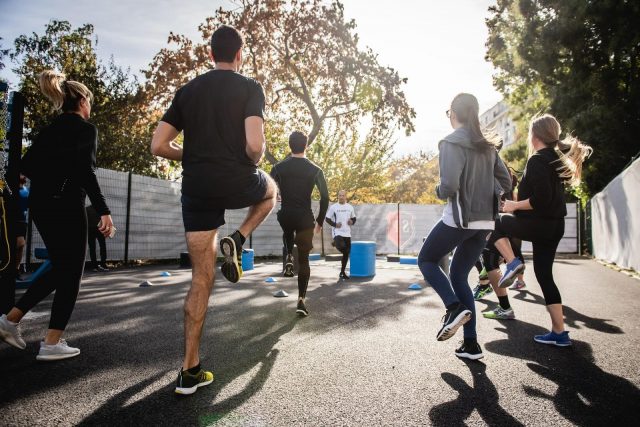
Melbourne offers an array of intriguing sights and team building activities for school students. From historical landmarks to captivating nature experiences, ancient laneways, colourful parks, and recreational areas, famous and magnificent structures and museums, and sports facilities. There’s something to cater to every interest. An educational journey to Melbourne can encompass ancient laneways, vibrant parks, iconic structures and informative museums, and even include outdoor team building games that enhance student engagement and cooperation.
Nature & Wildlife Adventures
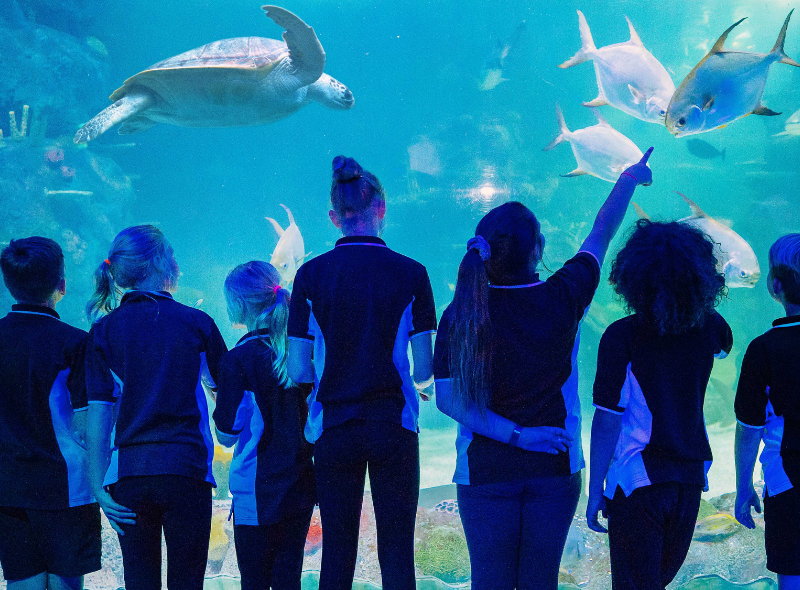
For a captivating school excursion, the Sea Life Melbourne Aquarium is a standout option, that allows students to get right up close to our beloved species, providing a fun secondary school excursion. The Underwater Zoo at Sea Life Melbourne Aquarium is a certified, curriculum-based educational school tour that offers a variety of self-directed and supervised programs for students from preschool through to secondary.
Another fantastic option for your next school trip is the Royal Botanic Gardens Victoria where your students can have an immersive journey exploring nature’s wonders while gaining environmental awareness in a fascinating and safe outdoor environment.
The location’s educational services seek to build strategic and adaptable instructional programs to support educators and offer students useful and engaging learning experiences.
Delving Into History & Culture
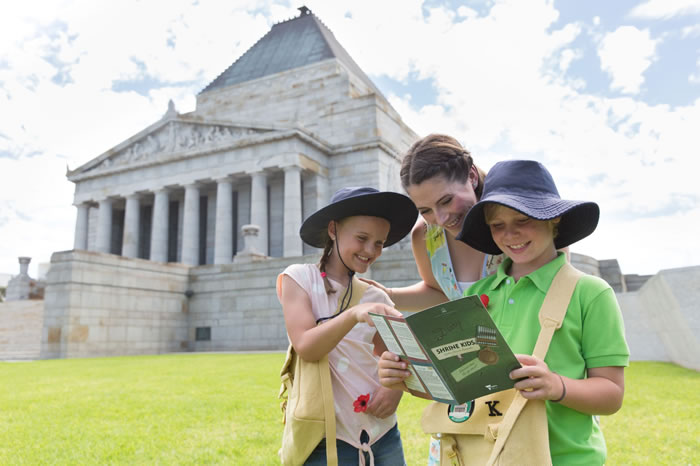
The Shrine of Remembrance is extremely relevant to any educational tour for secondary students and delivers a memorable educational experience for students of all ages. Students will learn a lot about Australian history. The shrine was constructed in the aftermath of World War I, often known as the “War to End All Wars.” The shrine also functioned as a suitable site for Victorian individuals and society to mourn those who had fought and died during the war.
The shrine offers an excellent setting for students to take part in events that honour the sacrifices of Australia’s brave soldiers and women. In fact, all students who visit here on a trip can take part in a memorial ceremony.
The Melbourne Museum highlights many vital elements of Victoria. Local and foreign students can better understand Victoria’s natural habitat, heritage, and culture. This is also an accolade-winning museum with a national gallery housed in eight exhibits, one of which is dedicated to children. Seeing instructional documentaries in their on-site IMAX theatre is one of the attractions you can anticipate on any of these secondary school excursions to Melbourne.
City Discovery School Tours
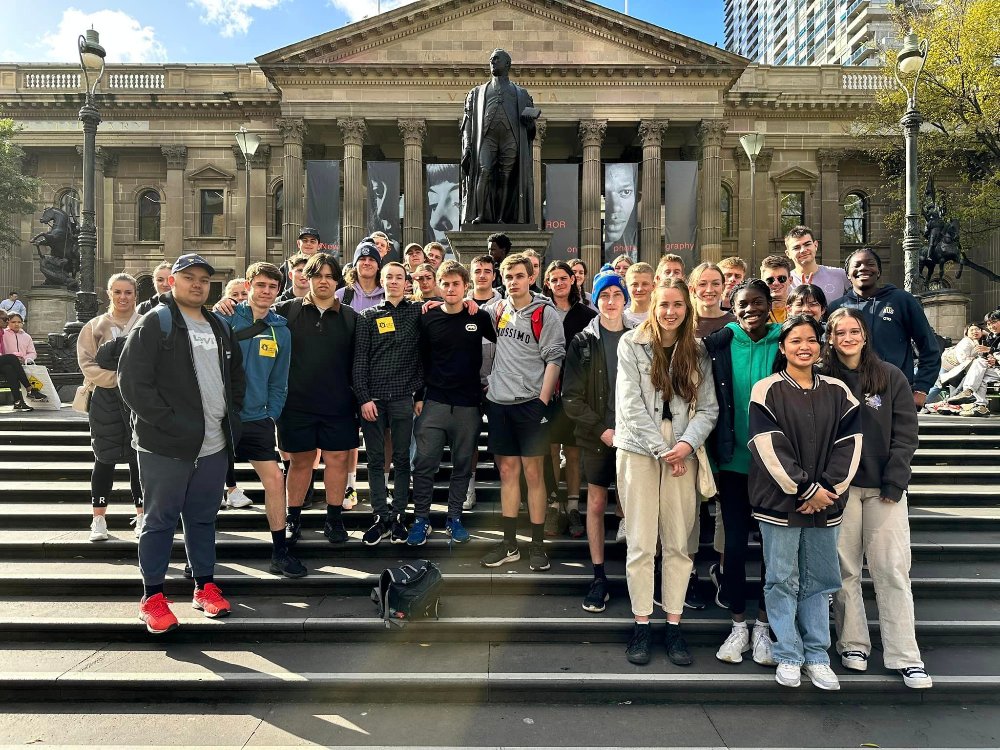
This takes your students to iconic Melbourne CBD locations and historic sites that depict benchmarks such as lanes and arcades, architectural design, history and culture, civilisation, graffiti, historic personalities, and how our city and community, as well as our perspective of places, have changed over time.
Explore the tangle of monuments, lanes, streets, and structures that depict major moments and individuals from the original inhabitants through the gold rush, warfare, hyperinflation, revolutionary movements, immigration, innovation, and the contemporary city.
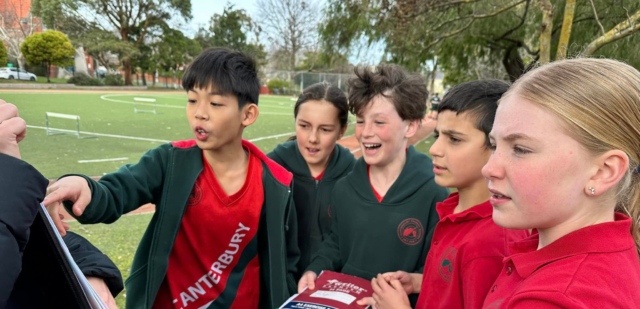
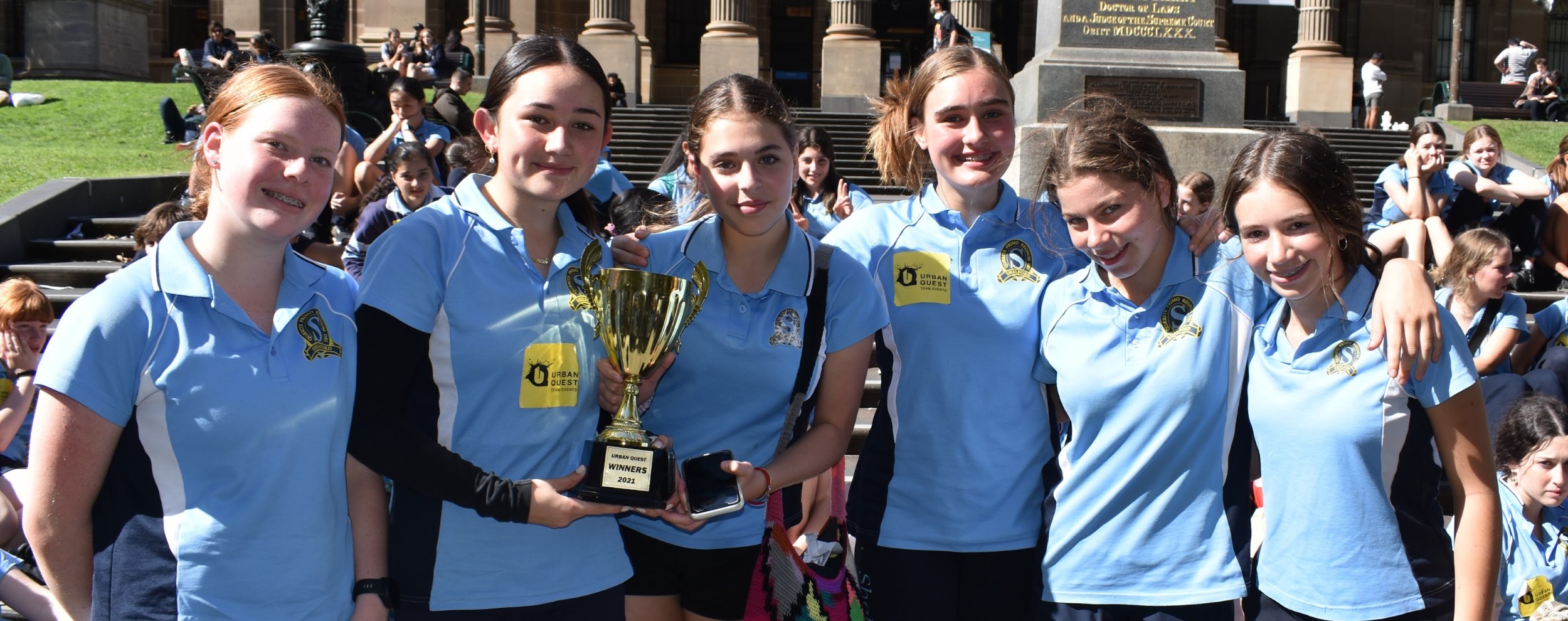
Choose your students to participate in a highly interactive version of a city tour full of engaging activities that enhance logical reasoning, communication skills and teamwork such as CBD Urban Quest or a more dialed-down version in the form of a free city tour, where the students will be exploring buildings, handling relics and examining historic pictures while approach challenges in a light-hearted manner that encourages knowledge and discussion on this educational tour.
Sports & Recreation
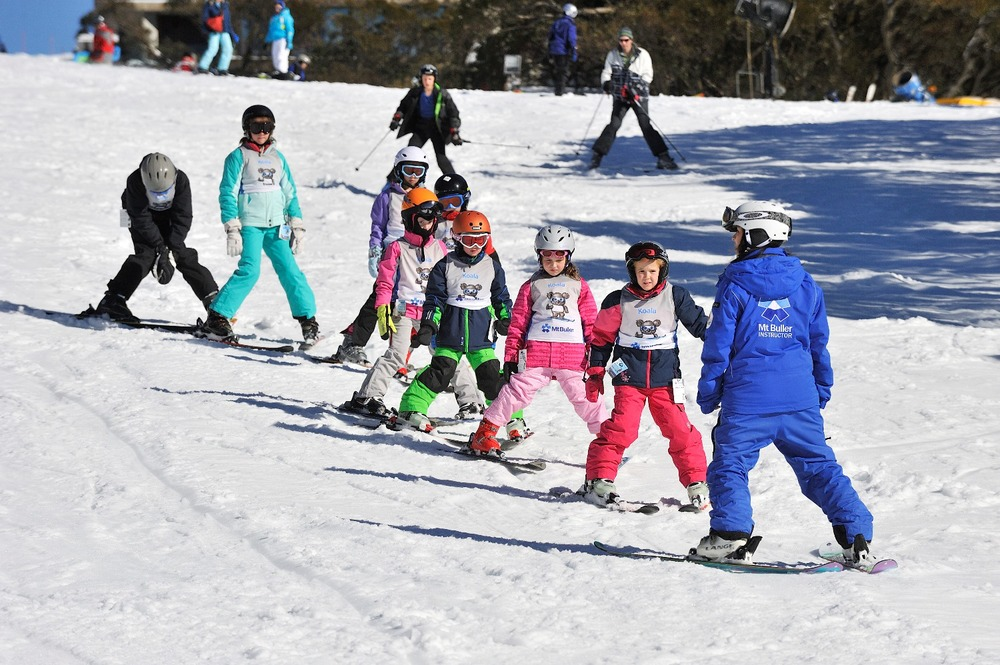
If you want to take your students away from the conventional educational environment, try taking them to Mt. Buller Ski & Snowboard School. Mt Buller is an excellent choice for those who wish to experience snow for the first time. It is a three-hour journey from Melbourne, and your students will be up there in no time, enjoying the gorgeous mountain town.
Everyone should recall their first snow adventure with fondness and awe. For starters, tutorials are a terrific way for your students to master the fundamentals or enhance their abilities, which may aid in their personal growth. School-trained teachers also assist in ensuring that all activities are secure and supervised.
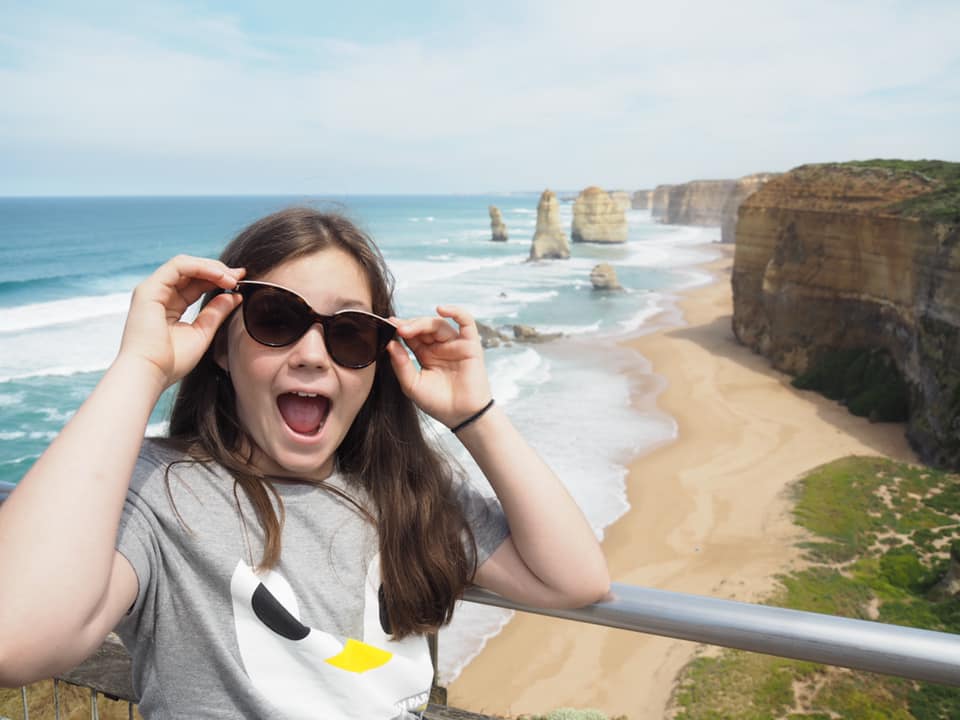
You may arrange for your learners to explore the breathtaking landscape of the Great Ocean Road. This excursion includes a personal tour of the ancient rainforest of Great Otway National Park. They will also get the opportunity to marvel at the renowned and spectacular rock formations of Port Campbell National Park, which include London Bridge, Loch Ard Gorge, and the 12 Apostles.
You may also halt at Bells Beach to admire this globally known surfing area and immerse yourself in a little of the local surfing culture as a bonus to your students’ vacation. This beach is undoubtedly one of the world’s best surfing destinations, attracting surfers from all over the world.
Fun & Entertainment
Take to the skies on your next school tour with Melbourne Skydeck, the southern hemisphere’s highest observation deck, the city comes to you when you take it all in from nearly 300 metres high.
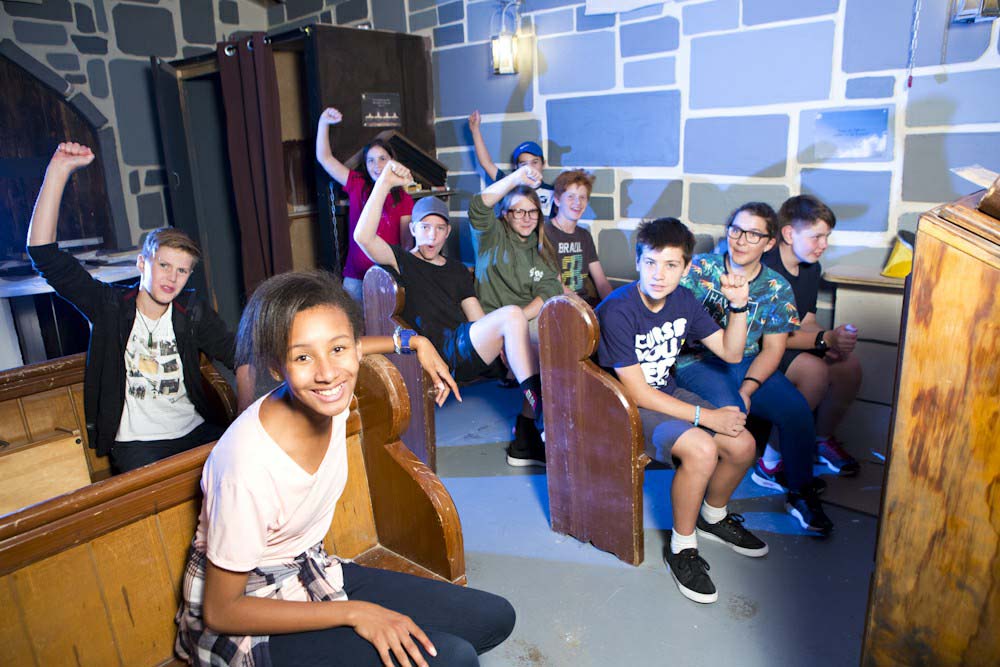
The Mistery Rooms Melbourne is the most immersive escape room Melbourne has. Solve puzzles, uncover clues and unlock your way out of the locked room that is also suitable for large teams. The Mistery Rooms is a leader in rapidly developing themed entertainment, providing “escape the room” games for school field trips in Melbourne & Geelong.
Timezone Melbourne provides exciting school excursions and trips with a wide selection of cutting-edge arcade games as well as old favourites.
Personal Development & Team Building
Latitude Melbourne is a state-of-the-art indoor aviation mega park with almost an acre of intense tasks. School excursions here focus on amusement, physical conditioning, personal growth, and educational programs.
They cater to all skill levels for skateboarding, scooters, and BMX at Ramp Fest’s world-class indoor skateboard park, and their expert instructors can tailor a curriculum for your students through various school team building activities. Tours to action-sports schools are extremely enjoyable.
Virtual reality learning experiences are both entertaining and constructive for education. Students can participate in multiple team building activities in an escape game that involves strong cooperation, problem-solving, strategic thinking, and collaboration, in which they will hear, see and interact with one another in fantastic environments. Everyone plays a part in this one-of-a-kind virtual reality event.
The Amazing Race as a school excursion is an emotion-driven and engaging team competition in which contending teams of 5-6 search for secret clues, complete complex puzzles and perform funny tasks while navigating Melbourne’s CBD streets and attempting to outwit one another. It is set up in the city streets as a continuous tournament consisting of mind-bending riddles, tough tasks, and lots of fun and excitement. Even the most hesitant kids will be drawn in by these team building activities for school students, which will encourage them to give their all and contribute towards their team’s plan.
Unleash Adventures With Urban Quest’s School Team Building Activities
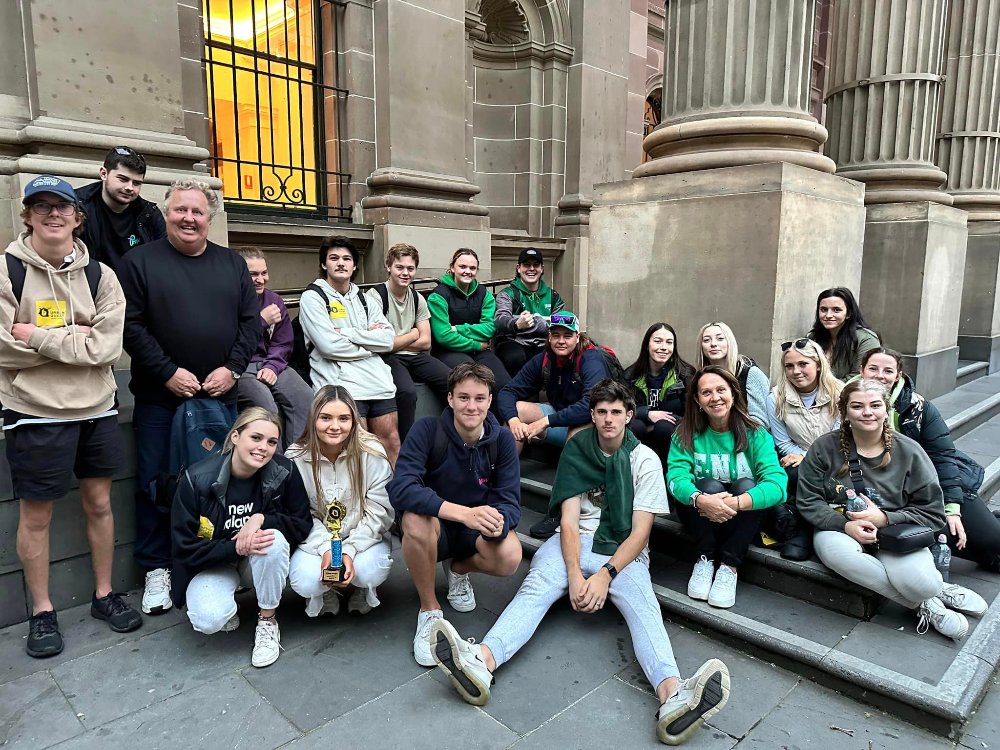
Urban Quest stands as the pinnacle of school team building activities in Melbourne. By merging adventure with education, we offer exceptional school excursions. With a focus on interactive challenges, outdoor games and team building, Urban Quest ensures that every student learns while having fun.
Merging outdoor exploration with interactive challenges allows students to learn about Melbourne’s history while cultivating essential life skills like leadership and cooperation. Urban Quest’s commitment to crafting tailored experiences ensures activities are age-appropriate, align with learning goals, and cater to each group’s unique needs.
Urban Quest simplifies the organisation of school excursions by expertly handling logistics and details. From planning to execution, teachers can entrust their students’ safety and enrichment to Urban Quest.
Experience the Difference With A Genuine Team Building For School Students
Urban Quest’s unique approach addresses the challenges of school excursions. Their activities cater to different learning styles and promote such skills as communication, leadership, and problem-solving. By taking part in team building activities like the Amazing Race, students discover the thrill of true collaboration and healthy competition.
Urban Quest offers an unmatched experience that leaves a lasting impact on students. Through outdoor team building games, interactive challenges, and a focus on experiential learning, Urban Quest creates memories that students will cherish.
In Conclusion
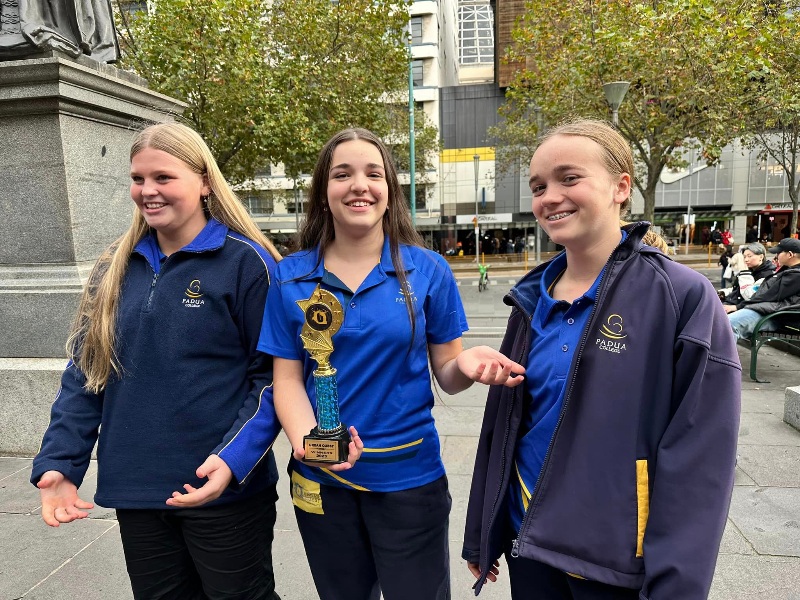
Secondary school excursions are a vital part of a student’s educational journey. These outings provide opportunities for growth, exploration and bonding outside the classroom. By incorporating engaging team building activities schools can enhance the excursion experience, fostering learning and memorable experiences. Melbourne’s wealth of attractions, especially when paired with Urban Quest’s innovative approach, guarantees an unforgettable adventure that balances education and entertainment for students.
Get in touch with Urban Quest now to uncover exciting possibilities for school excursions in Melbourne and embark on a unique journey of educational excellence!